

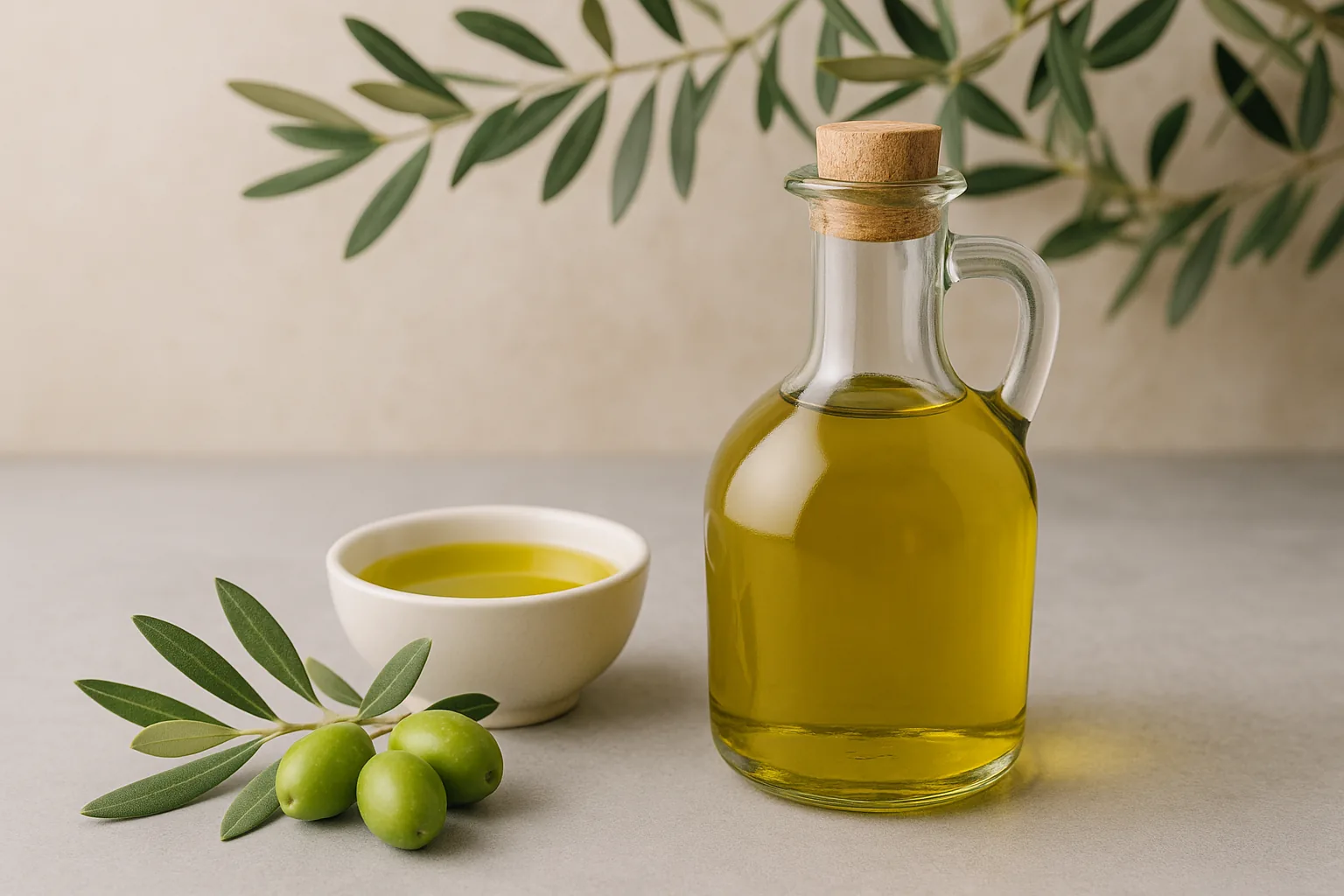
Unlock the Secrets to a Healthier Lifestyle with Olive Oil
Known for its rich history and widespread acclaim, olive oil remains a staple in kitchens around the globe. Understanding the exact olive oil benefits involves acknowledging its profound impact on health, owing to its unique composition packed with health-promoting properties.
Table of Contents
- [The Nutritional Composition of Olive Oil](#the-nutritional-composition-of-olive-oil)
- [Olive Oil as a Key to Longevity](#olive-oil-as-a-key-to-longevity)
- [Culinary Uses: Delicious and Healthy](#culinary-uses-delicious-and-healthy)
- [Conclusion](#conclusion)
- [Frequently Asked Questions About Olive Oil Benefits](#frequently-asked-questions-about-olive-oil-benefits)
The Nutritional Composition of Olive Oil
Olive oil is renowned for its rich content of monounsaturated fats, primarily oleic acid. These fats enhance cardiovascular health and are crucial for maintaining healthy cholesterol levels and reducing the risk of heart disease. Additionally, olive oil is a good source of antioxidants such as vitamin E and polyphenols, which combat oxidative stress and inflammation in the body.
Incorporating olive oil into your diet can help fulfill the daily requirement of essential fats, which are not adequately obtained from most processed foods. Its anti-inflammatory properties make it an excellent dietary inclusion for those suffering from chronic inflammation-related conditions, like arthritis.
Cardiovascular Health and Olive Oil
One of the primary olive oil benefits is its significant contribution to cardiovascular wellness. Regular consumption is linked to reduced blood pressure and improved lipid profiles. The Mediterranean diet, famous for its heart-friendly benefits, heavily incorporates olive oil as a main source of fat, often credited for the lower incidence of heart disease in Mediterranean populations.
Furthermore, replacing saturated fats with olive oil can significantly decrease the risk of developing cardiovascular disease. Health experts worldwide recommend this strategy due to the protective effect of its natural compounds that enhance the elasticity of arteries.
Olive Oil as a Key to Longevity
Another remarkable benefit of olive oil relates to longevity. Studies suggest that the consumption of olive-rich diets correlates with a longer life expectancy. This can be attributed to its ability to prevent diseases common in aging populations. Phenolic compounds in olive oil have shown potential in reducing risks of certain cancers and neurodegenerative diseases such as Alzheimer’s.
The Role of Olive Oil in Weight Management
Although it may seem counterintuitive, olive oil can actually aid in weight management. By fostering satiety and reducing the temptation to overeat, it promotes a feeling of fullness. This makes it easier to maintain a healthy weight. A tablespoon contains about 120 calories, providing an energy source that doesn’t spike insulin levels, which is crucial for effective weight control.
Culinary Uses: Delicious and Healthy
Olive oil is not only healthy but also incredibly versatile in the kitchen. It enhances the flavor profile of virtually any dish, from salads to sautéed vegetables. To maximize its benefits, it’s ideal to use extra virgin olive oil in raw preparations like dressings or drizzling over finished dishes. Moreover, [choosing high-quality olive oil](https://terrasanta.info/from-ancient-soil-to-modern-kitchens-the-timeless-journey-of-terra-santa-olive-oil/) allows you to enjoy both great taste and a natural source of healthy fats.
Olive Oil in Skincare and Beyond
Olive oil isn’t just a culinary marvel but also a natural beauty elixir. Its hydrating properties make it a popular ingredient in skincare products. Olive oil helps maintain skin elasticity and provides UV protection, which slows the aging process. For centuries, it has been used to moisturize and nourish both hair and skin, solidifying its status as a beauty staple.
Conclusion
Incorporating olive oil into your daily routine can yield numerous health benefits, from enhancing heart health to improving your skin’s appearance. Embrace this powerful ingredient both in your diet and lifestyle for a healthier, more vibrant life. For more tips and insights on integrating olive oil into your routine, explore [the high standards of olive oil quality](https://terrasanta.info/the-gold-standard-why-0-5-acidity-is-the-secret-to-premium-olive-oil/).
The Versatility of Olive Oil in Different Cuisines
Olive oil’s appeal extends beyond its health benefits; it is a versatile ingredient that enhances various culinary traditions around the world. In Mediterranean cuisine, for example, olive oil is a staple in dishes like Greek salads and Italian pasta sauces. Its fruity and sometimes peppery notes complement the fresh ingredients found in these diets, illustrating why it remains a dietary cornerstone.
In Spanish cuisine, olive oil is often used to prepare tapas, where it beautifully complements ingredients like garlic and fresh herbs. Middle Eastern dishes, like hummus and baba ganoush, derive their rich, silky texture from generous use of olive oil. Even beyond these cultures, olive oil is gaining recognition in Asian and American fusion cuisine for its ability to enhance dish flavor without overwhelming other characteristics.
Olive Oil’s Role in Enhanced Cooking Techniques
Utilizing olive oil can elevate cooking techniques such as sautéing, roasting, and even baking. When sautéing vegetables, olive oil imparts a rich flavor while achieving a perfect sear. It’s a healthier butter alternative in baking, particularly in bread and muffins, providing moisture and a subtle olive taste. Chefs recommend blending it into marinades and dressings to enhance flavor and nutritional value.
Practical Tips for Incorporating Olive Oil into Your Diet
Incorporating olive oil into your meals is a straightforward way to reap its benefits. Start by substituting it for butter or margarine when possible; try drizzling it over steamed vegetables or using it to dress salads. Experience the culinary delight of dipping fresh crusty bread into flavored olive oil, infusing it with herbs like rosemary or thyme for added dimension.
Ensure you store olive oil in a cool, dark place to preserve its quality and health benefits. Avoid exposure to heat or light, which can cause it to oxidize prematurely. Choosing high-quality, extra virgin olive oil is crucial for experiencing its full flavor and nutritional benefits. By integrating these simple practices, you can effortlessly include olive oil in your diet, enriching your meals with heightened flavor and health advantages.
Frequently Asked Questions About Olive Oil Benefits
What makes olive oil healthy?
Olive oil is rich in monounsaturated fats and antioxidants, which are vital for reducing inflammation and lowering the risk of heart disease. These components also stabilize cholesterol levels, contributing to overall cardiovascular health.
How does olive oil benefit heart health?
The high content of oleic acid and antioxidants in olive oil helps reduce blood pressure and improve cholesterol levels, which are crucial for maintaining heart health and preventing cardiovascular diseases.
Can olive oil aid in weight loss?
Yes. While calorie-dense, olive oil promotes satiety, helping you feel full longer. It reduces insulin spikes and supports a balanced diet when replacing unhealthy fats, which assists in weight management.
Is it safe to cook with olive oil?
Indeed, olive oil is safe for cooking, especially at moderate temperatures. Extra virgin olive oil can lose some of its nutritional benefits at high heat but remains healthier than most oils when used properly.
Are all types of olive oil equally beneficial?
Extra virgin olive oil is the least processed form, retaining maximum antioxidants and healthy fats. It offers the greatest health benefits compared to more refined options like light or pure olive oil.
How much olive oil should I consume daily?
Health experts generally recommend consuming around 2-3 tablespoons of olive oil per day. This amount can harness its full range of benefits without excessive calorie intake.
Can olive oil improve my skin health?
Yes, olive oil’s moisturizing properties and antioxidants protect against UV rays and help preserve skin’s elasticity, making it a popular ingredient in beauty and skincare products.
Does olive oil help with chronic diseases?
Olive oil’s anti-inflammatory properties and antioxidants reduce the risk of chronic diseases, including certain cancers and neurodegenerative conditions, supporting long-term health and longevity.
Feel inspired to unlock the secrets held in every drop of olive oil and enhance your well-being. Discover its numerous applications and let it transform your lifestyle while enjoying its delicious taste and remarkable health benefits.