

Best Olive Oil for Cooking: How to Choose the Right Bottle for Every Dish
Finding the best olive oil for cooking is simpler than it looks. In most kitchens, a fresh extra virgin olive oil can handle sautéing, roasting, baking and even frying. However, not every bottle performs the same way. Quality, freshness and storage all change how the oil behaves in the pan and how it tastes on the plate. This guide explains what to look for, which oil fits each cooking method and how to keep it fresh.
Why Olive Oil Is a Healthy Cooking Oil
Olive oil is rich in monounsaturated fat, mainly oleic acid. This type of fat stays stable under heat, so it breaks down more slowly than many seed oils. In addition, extra virgin olive oil carries natural antioxidants called polyphenols, along with vitamin E. These compounds protect the oil while you cook. As a result, it is one of the most popular choices for anyone who wants a healthy cooking oil.
Many nutrition experts also suggest that you replace butter and other saturated fats with plant oils. For a clear overview of dietary fats, visit The Nutrition Source by Harvard T.H. Chan School of Public Health.
What Makes the Best Olive Oil for Cooking?
Not every olive oil on the shelf is equal. A few simple signs help you separate a premium oil from an average one.
Grade: Extra Virgin First
Producers make extra virgin olive oil only by mechanical pressing, without chemicals. Its free acidity must stay at or below 0.8%. Lower acidity usually points to healthy olives and fast processing. By contrast, refined or “light” oils lose most of their aroma and antioxidants during refining.
Freshness: Check the Harvest Date
Olive oil is a fruit juice, so it tastes best when fresh. Look for a harvest date or a best before date that is still far away. Ideally, use the oil within 12 to 18 months of harvest.
Packaging: Tin or Dark Glass
Light and air are the main enemies of olive oil. That is why a metal tin or a dark glass bottle protects flavor much better than clear plastic. A tin is also a smart option for larger volumes, since it blocks light completely.
Smoke Point: Is Extra Virgin the Best Olive Oil for Cooking?
Many people still believe that you should never heat extra virgin olive oil. In reality, a good quality oil has a smoke point of roughly 190 to 210°C (375 to 410°F). Most home cooking happens well below that range. For example, sautéing vegetables usually stays around 120 to 160°C, and oven roasting rarely goes above 200°C.
Smoke point is also only part of the story. Research on heated oils shows that oxidative stability matters even more. Thanks to its antioxidants and low level of polyunsaturated fat, extra virgin olive oil resists breakdown well, even after long heating. So for everyday dishes, it is the best olive oil for cooking in terms of both safety and taste.
Best Olive Oil for Frying
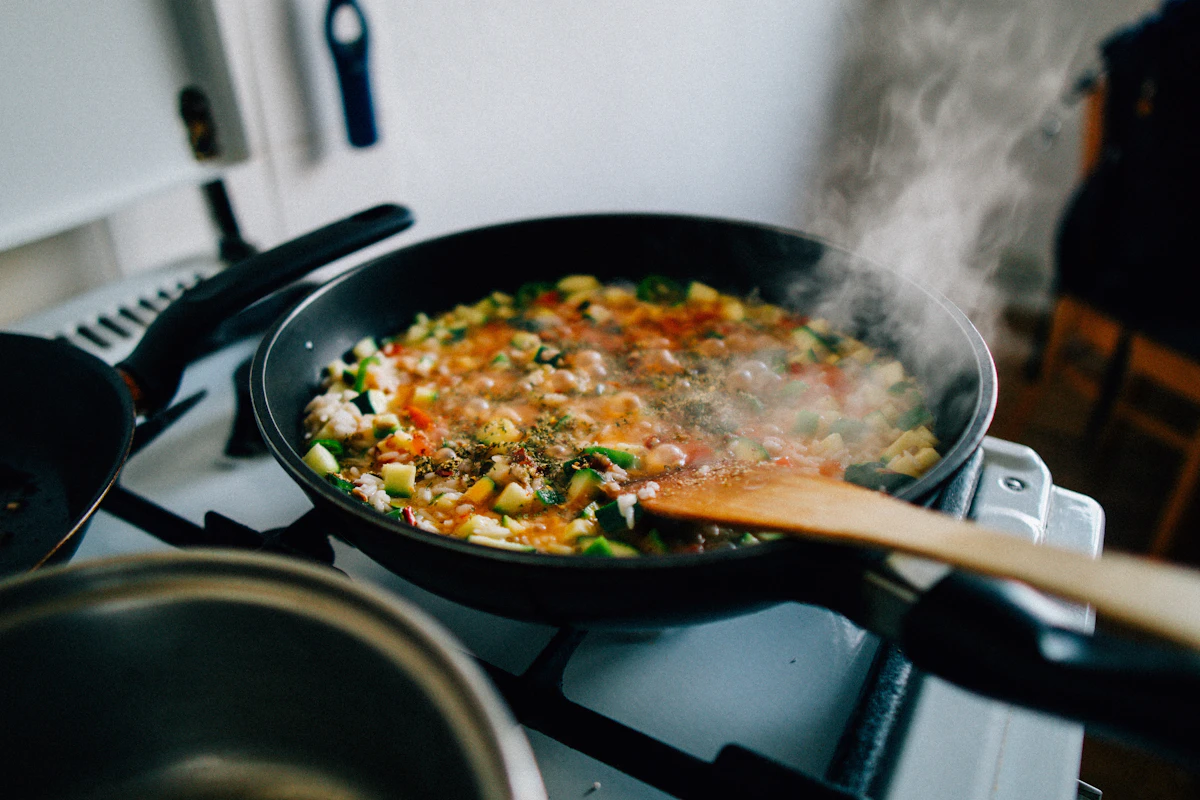
For shallow frying and pan frying, extra virgin olive oil works very well. It gives food a crisp, golden crust and a light fruity aroma. Keep the heat at medium to medium high and do not let the pan smoke. If the oil starts to smoke, lower the heat right away.
For deep frying, a robust and fresh extra virgin oil is still suitable, although you will need a larger amount. Many Mediterranean cooks fry this way at home. To save money, strain the oil after use and reuse it once or twice for similar foods.
Best Olive Oil for Salads and Finishing
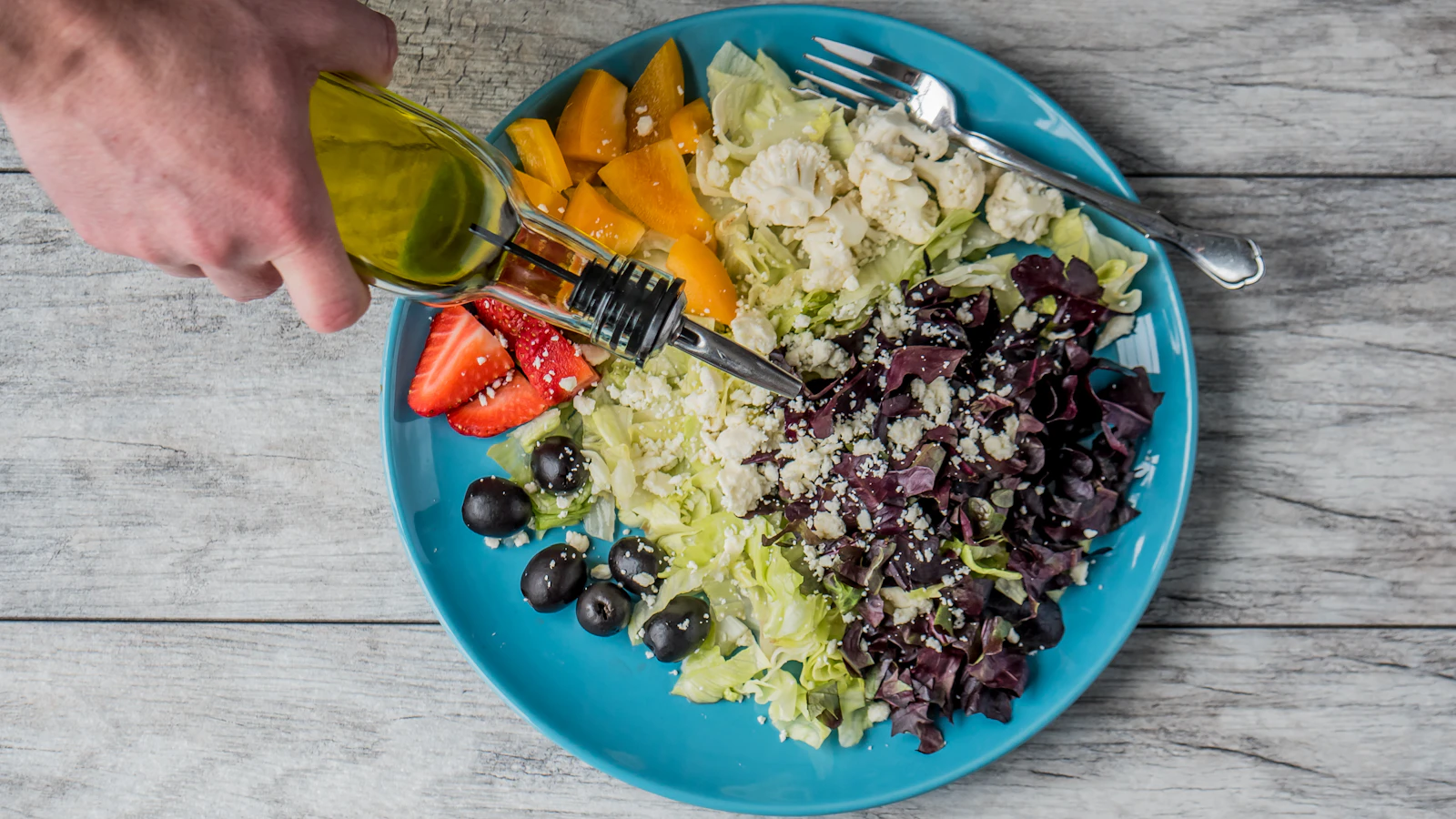
Raw dishes are where flavor matters most. A fresh, cold pressed extra virgin oil with green, peppery notes will lift a simple salad, hummus or grilled fish. Because you do not heat it, all of its aroma and polyphenols reach your plate.
Here are a few easy ways to use it raw:
- Whisk 3 parts oil with 1 part lemon juice or vinegar for a quick dressing.
- Drizzle it over soups, roasted vegetables or labneh just before serving.
- Serve it with fresh bread, za’atar and a pinch of salt for dipping.
Roasting, Baking and Grilling with Olive Oil
Olive oil is also a great partner in the oven. Toss potatoes, vegetables or chicken with a few spoons of oil before roasting. The result is even browning and deeper flavor. In baking, you can replace butter in many cakes and muffins. As a rule of thumb, use about three quarters of the amount of butter the recipe asks for. On the grill, brush a thin layer of oil over meat, fish or vegetables to prevent sticking.
One Oil or Two? A Simple Kitchen Strategy
Some home cooks keep two bottles. The first is an everyday extra virgin oil for cooking, often bought in a larger tin. The second is a premium bottle with a bold taste, saved for salads and finishing. However, if you choose a fresh, well made oil, one bottle can easily cover every task. In that case, the best olive oil for cooking is also the best one for your table.
How to Store Olive Oil So It Stays Fresh
- Keep it away from the stove, the oven and direct sunlight.
- Close the cap tightly after every use to limit contact with air.
- Store it at room temperature, ideally between 14 and 20°C.
- Once you open it, try to finish the bottle within two to three months.
Terra Santa: The Best Olive Oil for Cooking at Home
Terra Santa offers extra virgin olive oil from the Holy Land, pressed from carefully selected olives. You can find it in several formats, from small bottles to large tins for daily cooking. Browse every size in our extra virgin olive oil catalog. To learn more about what this oil does for your body, read our guide to olive oil benefits. If you want to understand quality grades, our article on olive oil acidity is a good next step.
Frequently Asked Questions About Cooking with Olive Oil
Is extra virgin olive oil good for high heat cooking?
Yes, for most home cooking. Its smoke point is around 190 to 210°C, and it stays stable under heat. Just do not heat the pan until it smokes.
What is the best olive oil for frying?
A fresh extra virgin olive oil is a great choice for pan frying. It adds flavor and holds up well to heat.
Does cooking destroy the benefits of olive oil?
Heat reduces some of the aroma and antioxidants. However, a large part remains, and the healthy fats stay the same.
Should I buy olive oil in glass or in a tin?
Both work well if they block light. Dark glass suits small bottles, while tins are ideal for larger volumes that you use for daily cooking.
Final Thoughts
The best olive oil for cooking is fresh, extra virgin and stored with care. It can handle frying, roasting and baking, and it shines in raw dishes too. Choose quality, keep it away from heat and light, and your food will taste better every day.