

Cold Pressed Olive Oil: What the Label Really Means
Cold pressed olive oil is one of the most common phrases on premium bottles. Yet many shoppers are not sure what it means or why it matters. In short, it describes oil that mills extract at a low temperature, without chemicals, so the natural taste and nutrients stay intact. This guide explains how the process works, how it differs from refined oil and how to choose a bottle you can trust.
What Does Cold Pressed Olive Oil Mean?
The term refers to the temperature during extraction. Under European rules, a producer can use the label “cold pressed” or “cold extracted” only when the olive paste stays below 27°C (80.6°F). Higher heat would release more oil from the fruit. However, it also damages aroma, flavor and delicate antioxidants. So producers who care about quality keep the temperature low, even if the yield is smaller.
Cold Pressed vs. Cold Extracted
In the past, mills crushed olives with large stone wheels and pressed the paste between mats in a hydraulic press. Today, most quality mills use a modern centrifuge instead. Technically, this method is cold extraction rather than cold pressing. Still, the goal stays the same: to separate oil from the fruit by mechanical means only, at a controlled low temperature. That is why both terms appear on labels, and both point to a careful process.
How Cold Pressed Olive Oil Is Made, Step by Step
1. Harvest
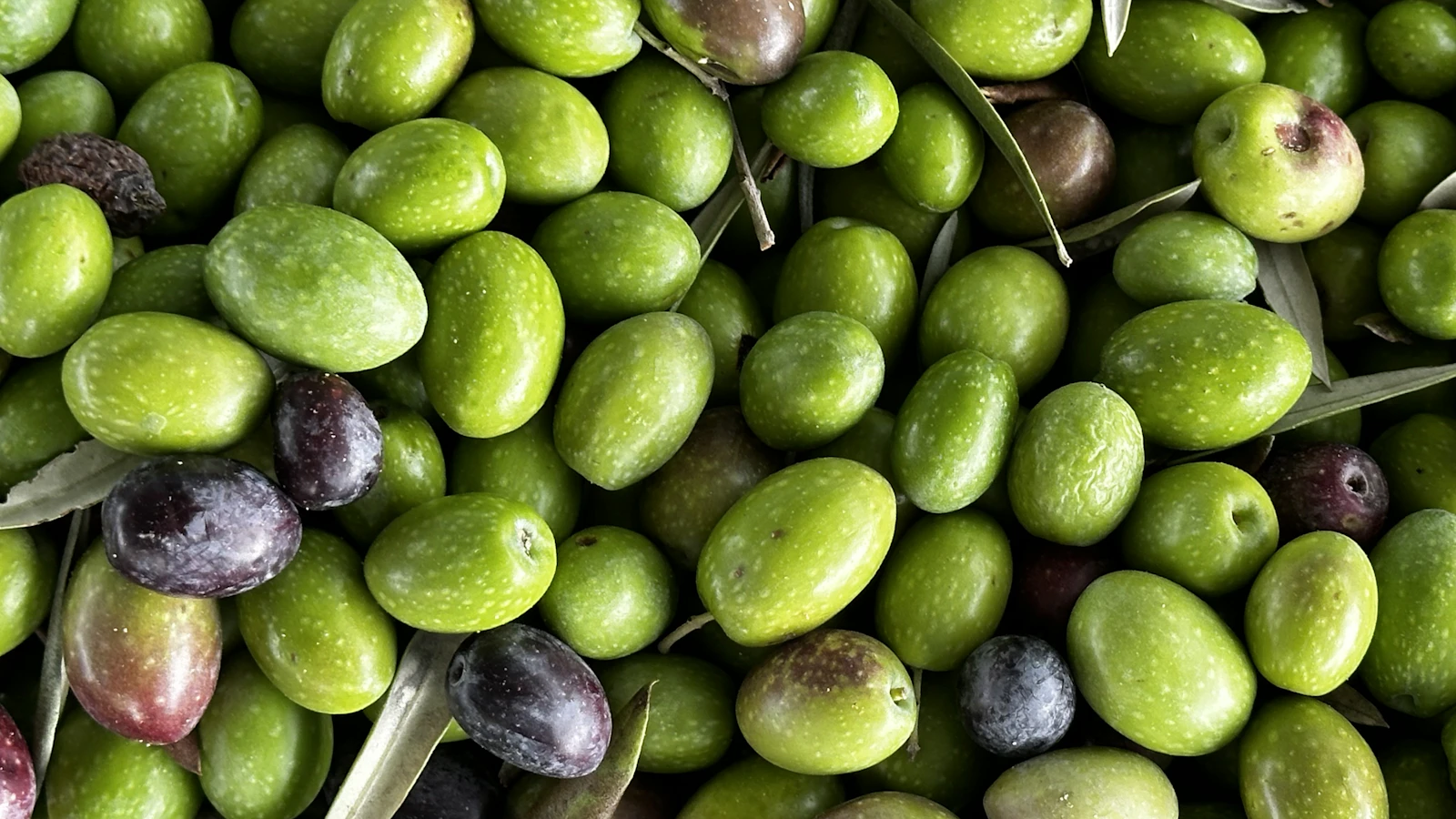
Farmers pick the olives at the right ripeness, usually in autumn. Early harvest fruit gives a greener, more peppery oil.
2. Washing and Crushing
Within hours, the mill removes leaves, washes the olives and crushes them into a paste. Speed matters, because damaged fruit quickly starts to ferment.
3. Malaxation
Next, slow mixing helps tiny oil drops join together. At this stage, temperature control is critical for quality.
4. Separation and Storage
A centrifuge separates the oil from water and solids. Finally, the oil rests in stainless steel tanks, away from light and air, until bottling.

Is All Extra Virgin Olive Oil Cold Pressed?
In practice, almost always. Extra virgin olive oil must come from mechanical extraction only, with no chemical solvents and no heat that changes the oil. It must also meet strict lab and taste standards. For example, its free acidity cannot exceed 0.8%, and trained tasters must find no defects. You can read the full trade standards on the International Olive Council website.
By contrast, “pure olive oil” or “light olive oil” is mostly refined oil. Refining uses heat and filtration to remove defects, but it also strips out flavor and antioxidants. As a result, these oils taste neutral and offer fewer benefits.
Benefits of Cold Pressed Olive Oil
- More polyphenols. Low temperature protects natural antioxidants that support heart health.
- Richer flavor. Fruity, grassy and peppery notes stay in the oil.
- Vitamin E and healthy fats. The oil keeps its natural vitamin E and a high share of monounsaturated fat.
- Better stability. Antioxidants help the oil resist oxidation, both on the shelf and in the pan.
How to Choose a High Quality Cold Pressed Olive Oil
Read the Label Carefully
Look for the words “extra virgin” together with “cold pressed” or “cold extracted”. A harvest date and a clear country of origin are also good signs of transparency.
Choose Protective Packaging
Dark glass bottles and metal tins block light. Clear bottles, on the other hand, let light in and speed up oxidation.
Trust Your Senses
Good oil smells fresh, like cut grass, green apple or tomato leaf. A slight bitterness and a peppery tickle in the throat are positive signs. In fact, they show that the oil is rich in polyphenols.
How to Use and Store It
Cold pressed olive oil is perfect for salads, dips and finishing dishes. It also works well for everyday cooking, roasting and baking. To keep it fresh, store the bottle in a cool, dark cupboard and close it tightly after each use. Once you open it, try to use it within a few months. For tips on heat and frying, see our guide to the best olive oil for cooking.
Terra Santa Extra Virgin Olive Oil from the Holy Land
Terra Santa produces extra virgin olive oil from olives grown in the Holy Land, where people have cultivated olive trees for thousands of years. As an extra virgin oil, it comes from mechanical extraction only, with no chemical treatment. Explore all bottle and tin sizes in our olive oil catalog. You can also learn about the tradition behind kosher olive oil.
Frequently Asked Questions
Is cold pressed olive oil better than regular olive oil?
Yes, in most cases. It keeps more flavor, vitamin E and antioxidants than refined oil, which loses much of them during processing.
Can you cook with cold pressed olive oil?
Absolutely. Its smoke point is around 190 to 210°C, which covers sautéing, roasting and baking. For raw dishes, however, its flavor shines the most.
What temperature counts as cold pressed?
The olive paste must stay below 27°C (80.6°F) during extraction.
Do I need to keep it in the fridge?
No. A cool, dark cupboard is enough. Cold temperatures can make the oil cloudy, although this does not harm its quality.
Conclusion
Cold pressed olive oil is not just a marketing phrase. It reflects a careful, low temperature process that protects taste and nutrients. When you choose a fresh extra virgin bottle with clear labeling and good packaging, you bring real quality to every meal.